
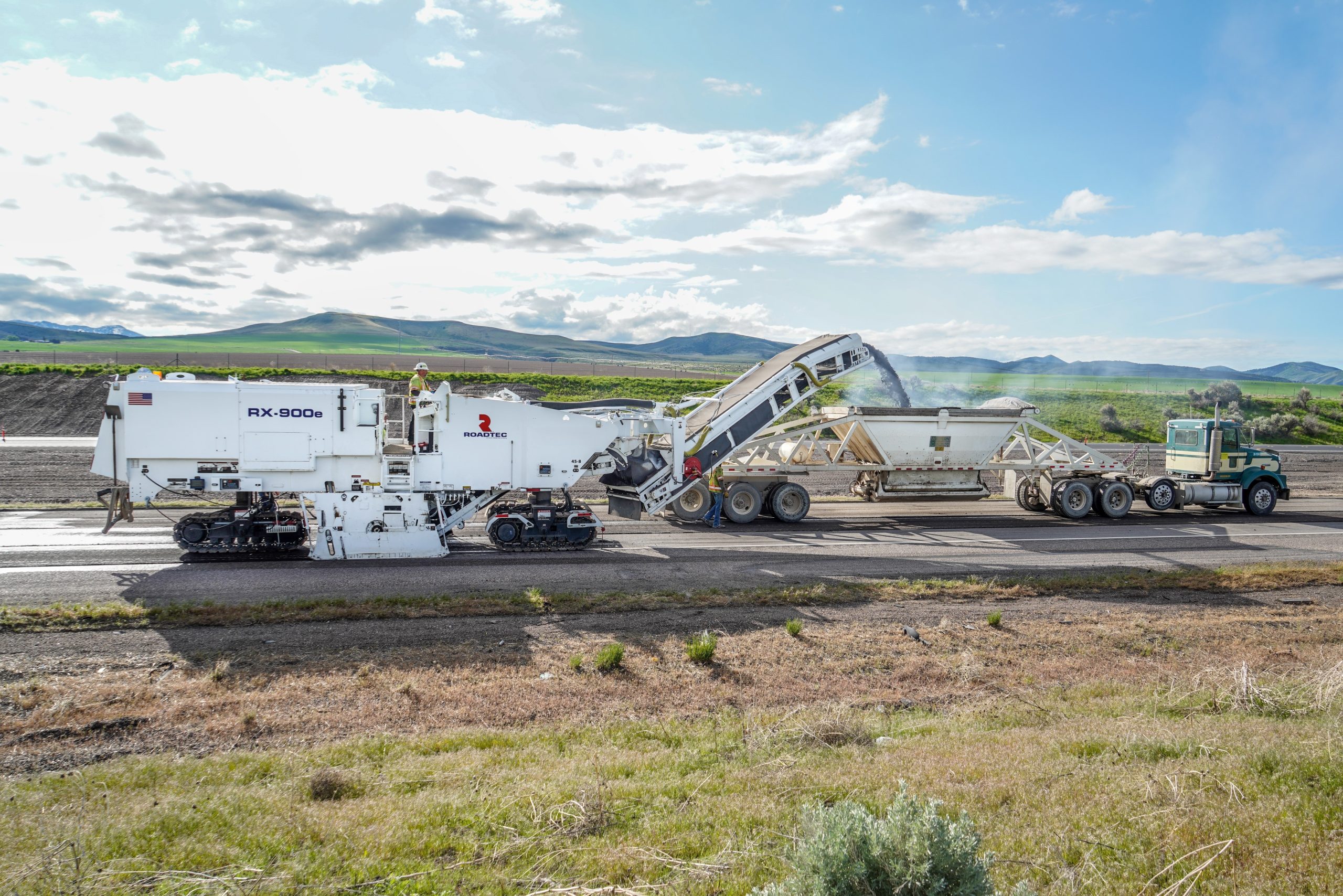
Komatsu is entering the asphalt paving market through a major acquisition, bringing two established roadbuilding brands into its equipment portfolio and raising questions about their future under new ownership.
Komatsu has reached an agreement to acquire Astec Industries’ road construction equipment business, including the Roadtec and Carlson brands, in a transaction valued at $75 million. Announced November 12, the deal would give the Japanese equipment manufacturer an established lineup of asphalt pavers, milling machines, material transfer vehicles and related roadbuilding equipment.
The acquisition represents a significant expansion for Komatsu, whose North American equipment lineup already includes excavators, dozers, wheel loaders, graders and haul trucks. Adding specialized paving machinery would allow the company to serve more stages of highway construction and maintenance.
According to Komatsu’s official announcement, the transaction is expected to close January 1, 2027, subject to customary conditions. Astec’s filing describes a first-quarter closing target.
Why Komatsu Wants Roadtec and Carlson
Roadtec and Carlson bring specialized products and established customer relationships in a market where Komatsu has historically had a limited presence.
Roadtec is particularly known for its cold planers and Shuttle Buggy material transfer vehicles, while Carlson manufactures asphalt pavers and screeds. Together, the businesses offer equipment used in resurfacing, paving and road maintenance, complementing Komatsu’s existing earthmoving machinery.
Komatsu says it has considered opportunities to expand into road construction equipment for years. The acquisition would provide an established product portfolio, engineering expertise and a foothold in the paving industry without developing an entirely new equipment lineup from scratch.
The company also sees opportunities to combine Roadtec and Carlson technology with its manufacturing and engineering capabilities. However, it has not announced specific new products or a timetable for integrating the businesses into its broader operations.
Why Astec Is Selling
The financial details help explain why Astec is willing to part with an established equipment business.
According to Astec’s SEC-filed announcement, the Roadtec business generates approximately $145 million in annualized revenue but has been operating at a loss. Selling the division is expected to improve Astec’s adjusted EBITDA margin by approximately two percentage points.
Astec anticipates approximately $65 million in combined cash proceeds and tax benefits, which it intends to use to strengthen its balance sheet and support investment in other operations.
The company plans to concentrate more heavily on asphalt production equipment, aggregate processing, concrete systems, recycling and digital technologies. Those businesses will remain part of Astec following the transaction.
For Komatsu, the purchase offers a chance to expand into an adjacent market. For Astec, it removes an underperforming operation while allowing the company to focus resources elsewhere.
What Happens to Roadtec and Carlson Owners?
For contractors operating Roadtec milling machines, Shuttle Buggy material transfer vehicles or Carlson paving equipment, the biggest questions involve parts availability, dealer support and long-term product development.
Neither company has announced immediate changes to existing service arrangements. Komatsu has emphasized the value of the brands’ established customer relationships, technical expertise and product lines, suggesting continuity is an important part of its acquisition strategy.
However, the companies have not detailed how Roadtec and Carlson dealerships will fit into Komatsu’s distribution network, whether existing parts channels will change or how the brands will be positioned over time.
Those decisions matter because paving equipment often remains in service for many years. Contractors depend on replacement parts, technical support and specialized service to keep machines operating during narrow construction schedules.
The acquisition could eventually provide Roadtec and Carlson customers with access to additional manufacturing resources and a larger support network. Whether those benefits materialize will depend on how Komatsu manages the transition.
Could the Deal Affect Equipment Values?
Ownership changes can influence used-equipment values, particularly when buyers are uncertain about future parts availability and dealer support. However, there is currently no evidence that the proposed acquisition has affected Roadtec or Carlson resale prices.
In the longer term, stronger product development and dependable support could improve buyer confidence. Conversely, disruption to established service relationships could make some buyers more cautious.
For contractors considering new or used Roadtec and Carlson equipment, the practical considerations remain largely unchanged: machine condition, operating hours, maintenance history, parts availability and local dealer support.
Until Komatsu provides more details about its plans, predicting a specific effect on resale values would be premature.
A Bigger Presence in Road Construction
The acquisition would put Komatsu in a stronger position to compete across the road construction market, from initial earthmoving and grading through asphalt placement and resurfacing.
That broader offering could create opportunities to compete more directly with established roadbuilding equipment suppliers, including Caterpillar and the Wirtgen Group. It could also give contractors another major manufacturer to consider when purchasing specialized paving equipment.
The transaction remains subject to closing conditions, with completion targeted for early 2027. The next important developments will involve dealer arrangements, product strategy and support for existing customers.
For Roadtec and Carlson owners, the acquisition brings the possibility of greater investment and expanded resources. The real measure of its success will be whether Komatsu can strengthen the businesses while preserving the equipment support contractors already rely on.
Leave a Reply