
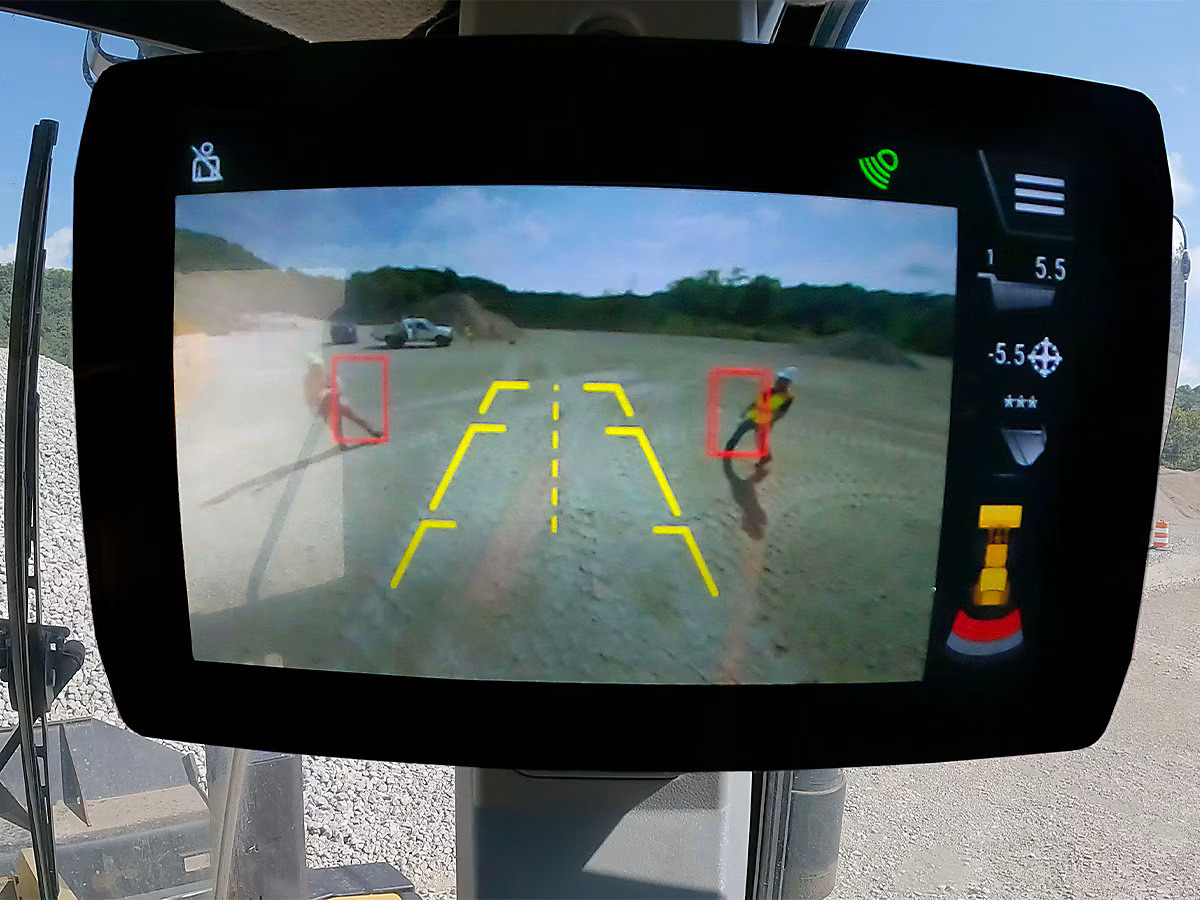
Caterpillar is taking a significant step toward making advanced safety technology a standard feature of construction equipment. The manufacturer announced November 16 that collision warning and mitigation systems will become standard on the majority of new Cat construction machines throughout 2027.
Previously available as optional equipment on selected models and configurations, the technology helps operators identify nearby hazards and, on certain machines, can intervene to reduce the risk or severity of a collision.
The decision reflects a broader shift toward integrating electronic safety systems into heavy machinery rather than leaving contractors to purchase them separately.
How the Technology Works
Construction sites are challenging environments for equipment operators. Excavators, wheel loaders, dozers and haul trucks frequently work near ground personnel, other machines and moving vehicles, often with restricted visibility.
Caterpillar’s collision warning technology uses detection systems to alert operators when potential hazards are identified. Depending on the machine and configuration, these warnings can include visual indicators, audible alerts and notifications when people or objects enter designated detection zones.
More advanced collision mitigation systems can go beyond warnings. On supported machines, the technology may inhibit movement or automatically apply the brakes in certain situations, particularly when reversing toward an obstacle.
However, not every Cat machine will have identical capabilities. Caterpillar has not released a complete list of eligible models or specified which systems will be included on each machine. The company outlined the changes in its November 16 announcement.
What Changes for Contractors and Equipment Owners?
The most immediate benefit could be more consistent access to safety technology across newly purchased equipment. Until now, contractors have often needed to select collision detection or mitigation systems as additional options. That can create inconsistencies within a fleet, with some machines equipped with advanced warning systems and others relying primarily on mirrors, cameras and operator awareness.
Making the technology standard on most new machines could simplify equipment purchasing and help contractors establish more consistent safety practices. For companies operating both new and older equipment, however, the transition will take time. Existing machines will not automatically receive the technology, and retrofit availability will depend on equipment models and compatible systems.
Contractors may also need to account for sensor maintenance, calibration, operator training and potential repair costs. Caterpillar has not disclosed whether the expanded standard equipment will affect machine prices.
Using Machine Data to Improve Jobsite Safety
The announcement extends beyond individual machines. Caterpillar is also emphasizing the role of its VisionLink platform in helping contractors understand safety risks across their fleets.
Through supported systems, fleet managers can review recorded video and operational information to identify locations where close calls occur most frequently. That information can help supervisors recognize recurring hazards, adjust traffic patterns and improve operator training.
For example, repeated warnings near a loading area might indicate that pedestrian routes or equipment movements need to be reorganized.
The value of this information depends on how effectively contractors use it. Collision warnings alone cannot eliminate unsafe operating conditions, and automated interventions remain a supplement to established safety procedures rather than a replacement for them.
A Broader Industry Shift
Caterpillar is not the first manufacturer to offer collision avoidance technology. Other equipment makers, including Volvo Construction Equipment, have developed systems capable of detecting obstacles and automatically braking certain machines.
What makes Caterpillar’s announcement significant is the scale of its planned rollout. Rather than offering the technology only on selected configurations, the company intends to make collision warning and mitigation capabilities standard across most of its new construction equipment lineup.
Major contractors are already moving in this direction. Kiewit says it has invested in retrofitting equipment with pedestrian detection, proximity cameras and other safety features, while VINCI Construction has emphasized the importance of consistent safety technology across its fleets.
Wider adoption could eventually influence customer expectations, equipment specifications and the features contractors look for when purchasing new or used machinery. Whether it affects insurance costs or resale values remains uncertain.
What Remains Unanswered?
Several important details have yet to be announced, including the full list of eligible machines, the specific capabilities included on each model and any changes to equipment pricing.
Contractors will also want to understand how the systems perform in challenging conditions, including dust, mud, rain, crowded jobsites and situations involving multiple moving machines.
False alarms, sensor maintenance and operator familiarity will be important considerations as the technology becomes more common. Independent performance data will ultimately be needed to determine how effectively the systems reduce real-world incidents.
Caterpillar’s announcement represents a notable step toward making advanced safety technology a normal part of construction equipment ownership. The next test will be how consistently those systems perform in the demanding environments where contractors rely on their machines every day.
Leave a Reply